English

Dutch scalp braid designs

A Dutch scalp braid crosses the strands underneath to create a visible raised effect. This selection shows how it changes with different paths, two rows or lengths gathered into an updo.
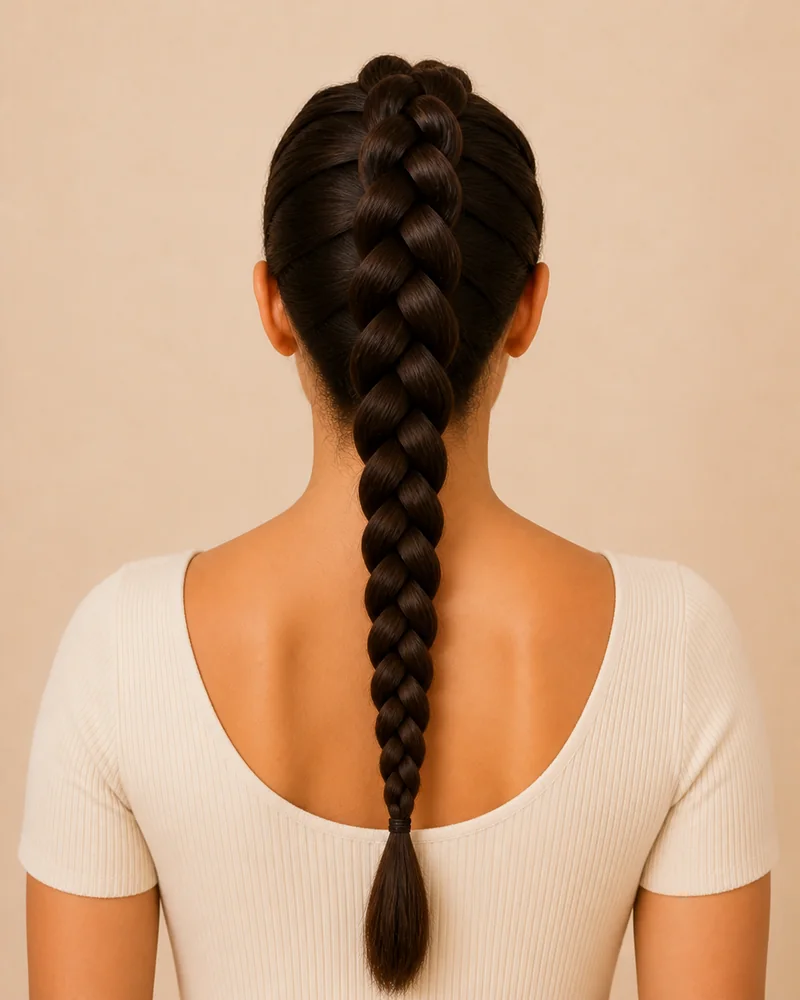
Rear view of a single raised Dutch braid running straight down the centre of the head, with the loose tail down the back
Single central Dutch braid One raised braid from the forehead to the nape, the foundation for everything else.
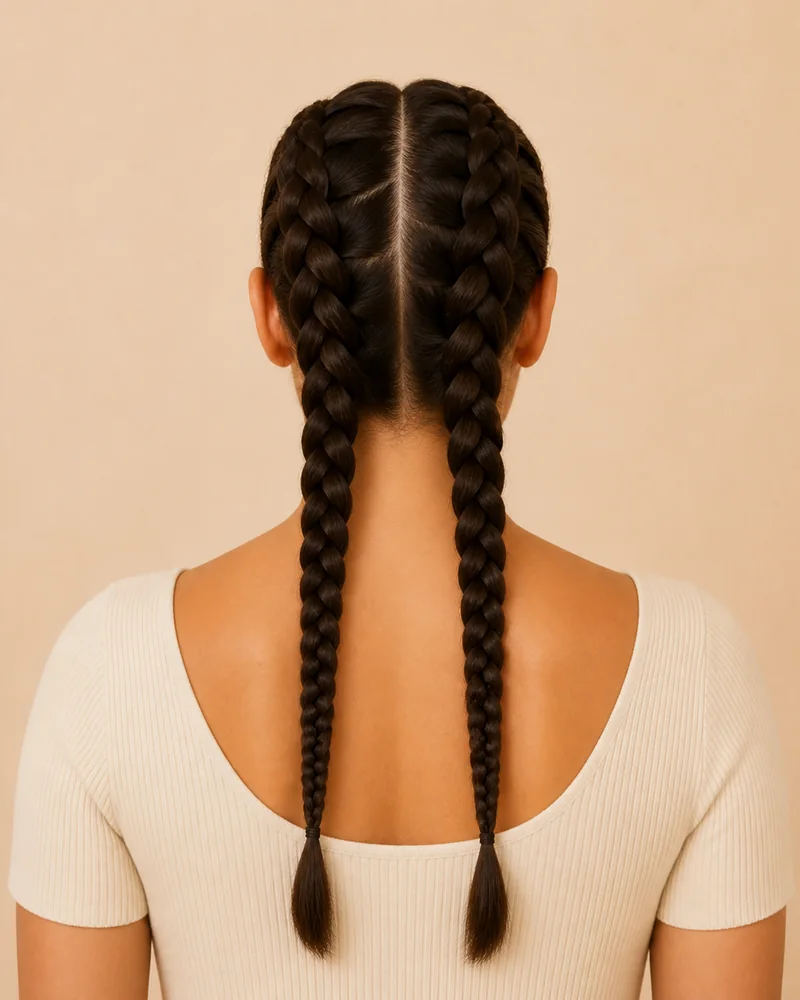
Two parallel Dutch scalp braids with a centre part, ending in two loose lengths
Classic double Dutch braids Two parallel braids with a centre part and clearly visible raised texture.
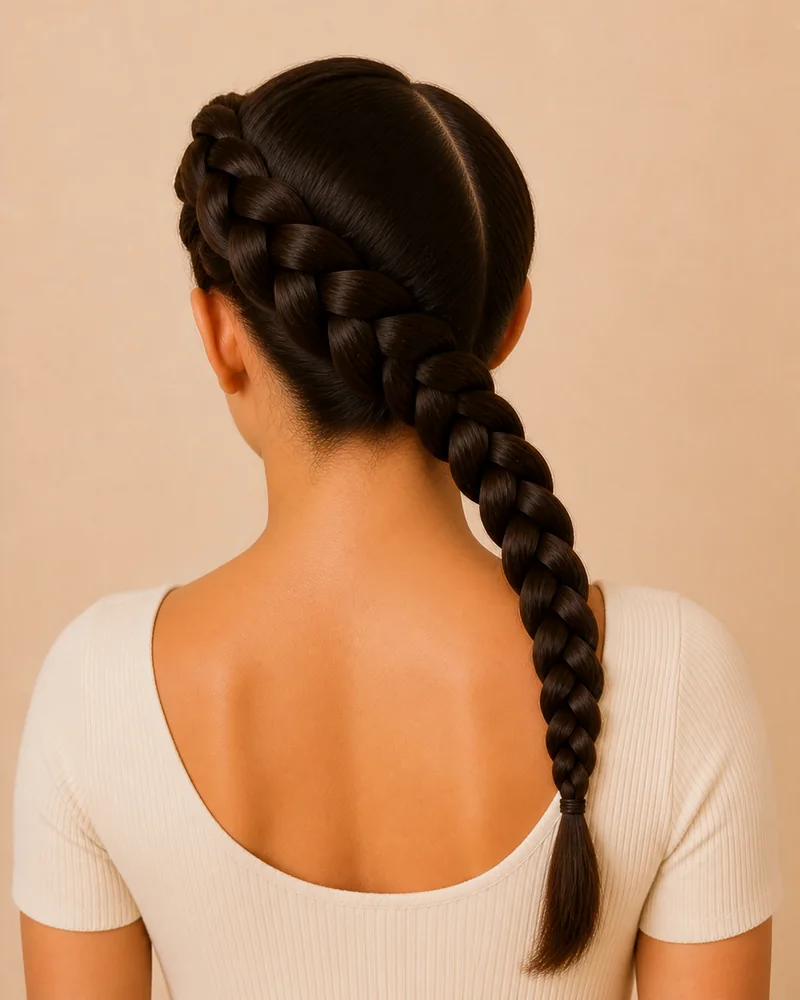
Side Dutch braid crossing diagonally across the back of the head
Side Dutch braid The diagonal path concentrates volume on one side and finishes over the shoulder.
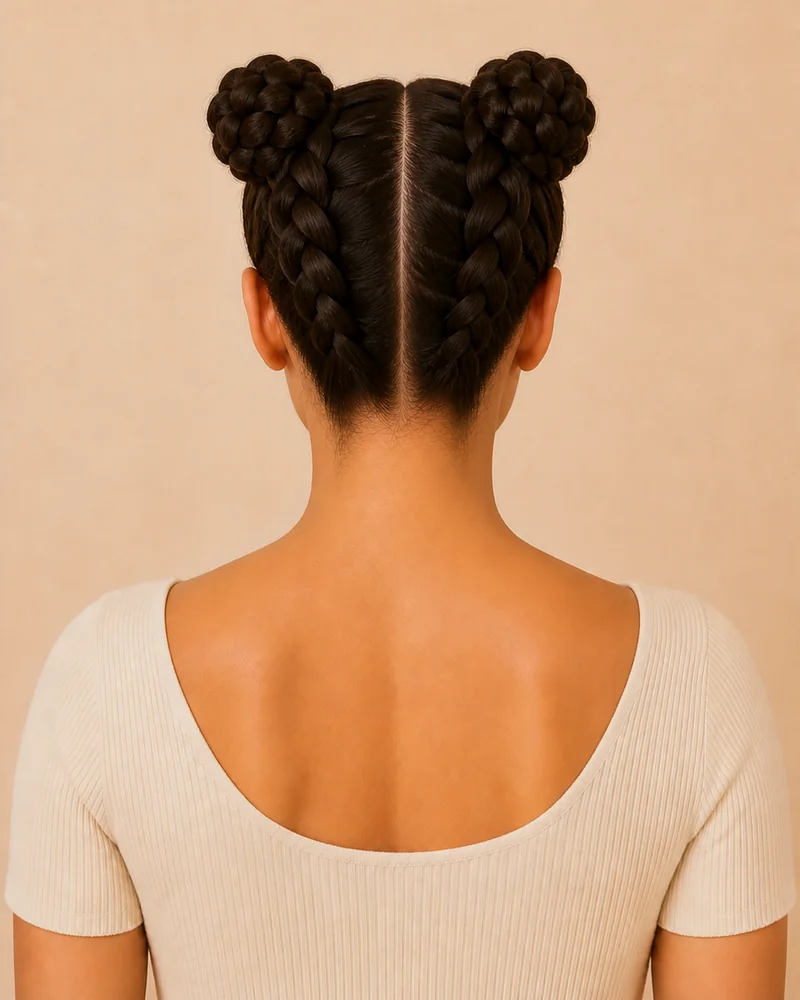
Two upside-down Dutch braids running up from the nape and ending in two high buns
Upside-down Dutch braids with high buns Both braids start at the nape, run upwards and finish in two buns.
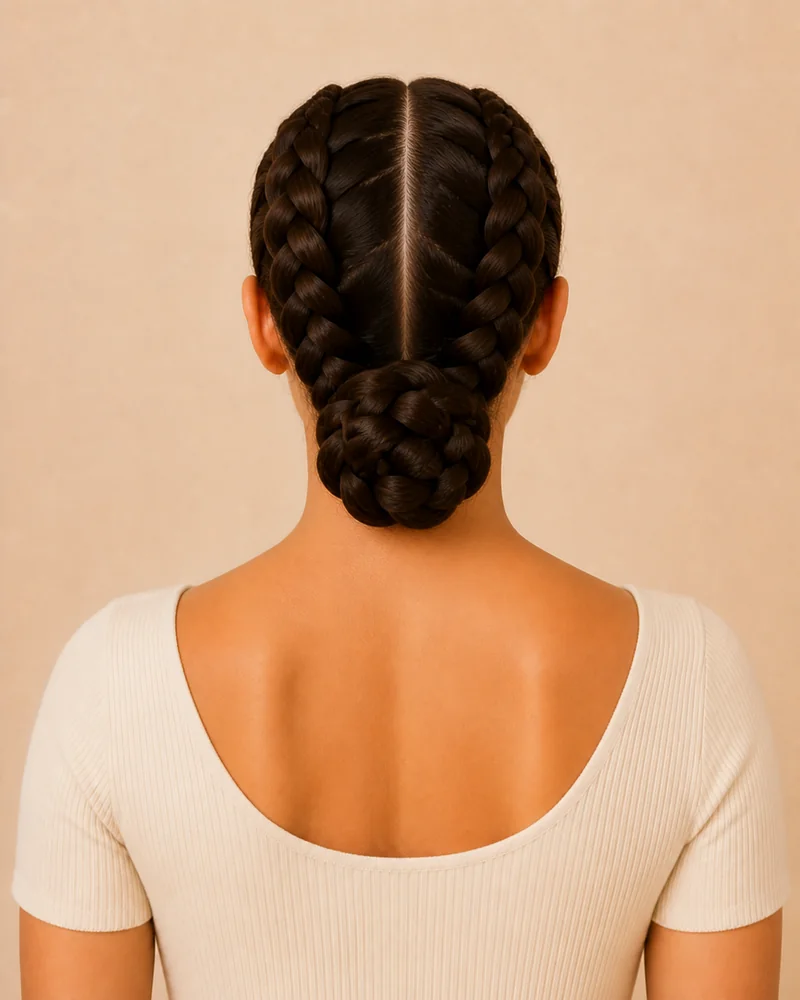
Two Dutch braids joined in a low bun at the centre of the nape
Low bun with double Dutch braids The two braids meet at the nape to form a compact updo.
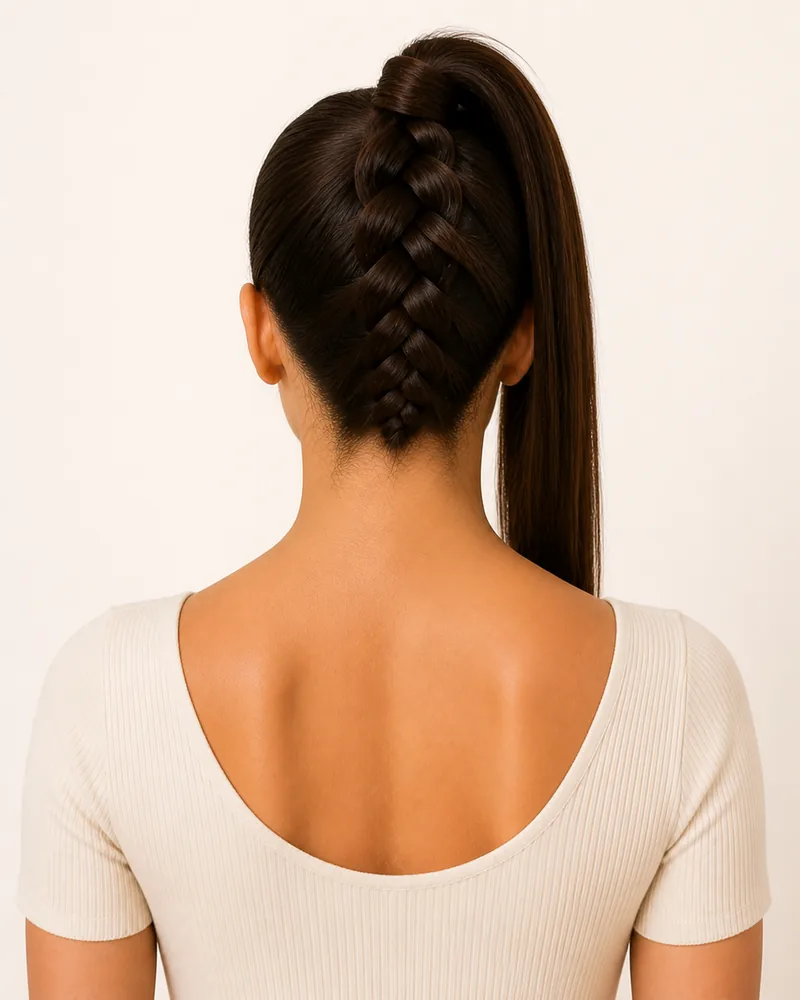
An upside-down Dutch braid runs up from the nape and finishes in a high ponytail
Upside-down Dutch braid with a high ponytail The braid runs up from the nape and joins the rest of the hair in a high ponytail.

← Back to the style guide