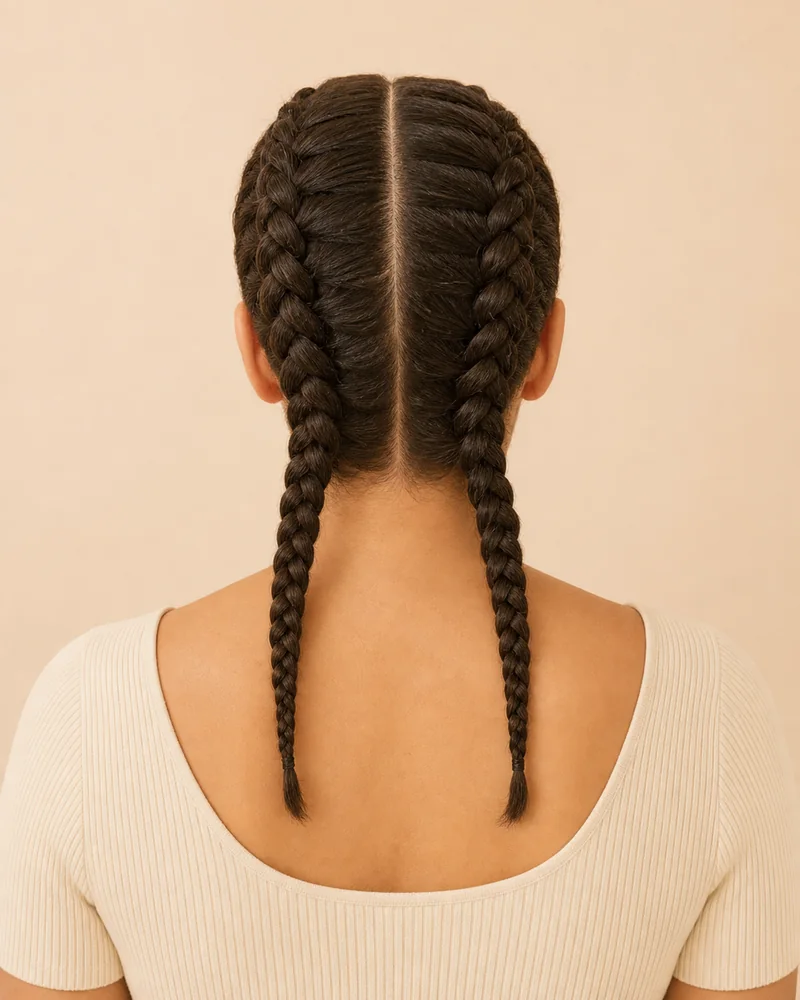
 Close-to-scalp braids
Dutch scalp braid
A raised braid made by crossing the strands underneath and adding hair from each side.
Explore more designs See the related tutorial
Visual guide · 7 styles
Learn the name of each style and recognise its differences before choosing your next hairstyle or tutorial.
Original images created as visual references. Actual results may vary depending on the hair and technique.
The pattern begins at the scalp and develops by adding hair at each crossing.
Close-to-scalp braids
A raised braid made by crossing the strands underneath and adding hair from each side.
Explore more designs See the related tutorial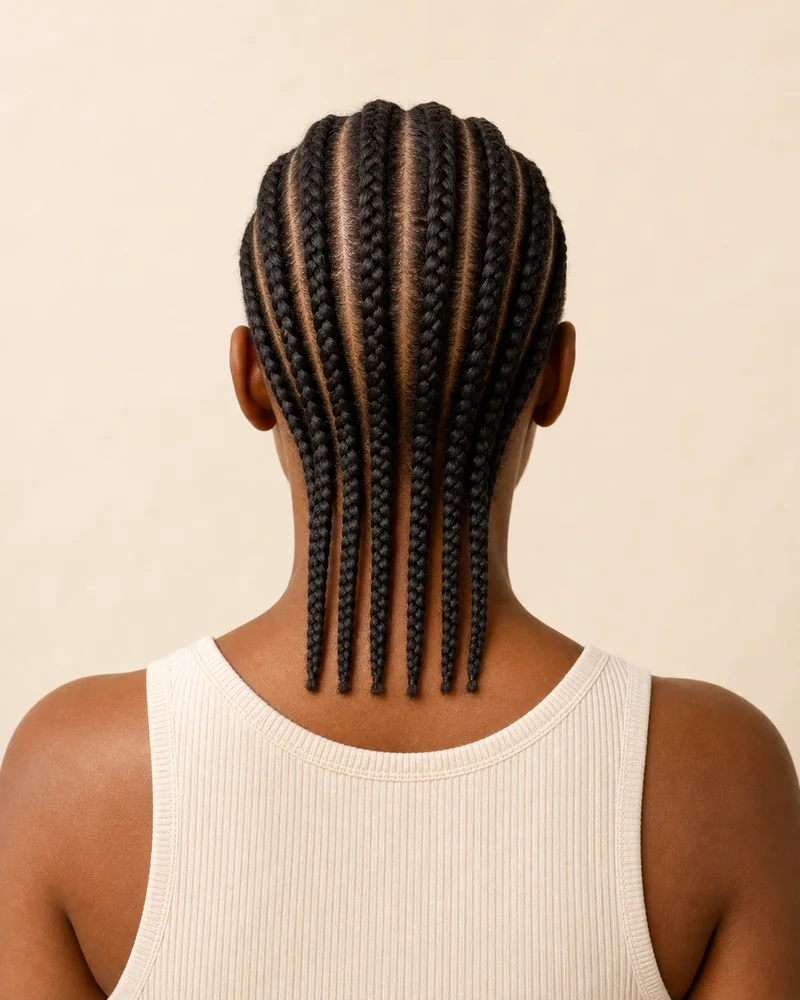 Close-to-scalp braids
Braids close to the scalp following straight lines, curves or patterns created by the partings.
Explore more designs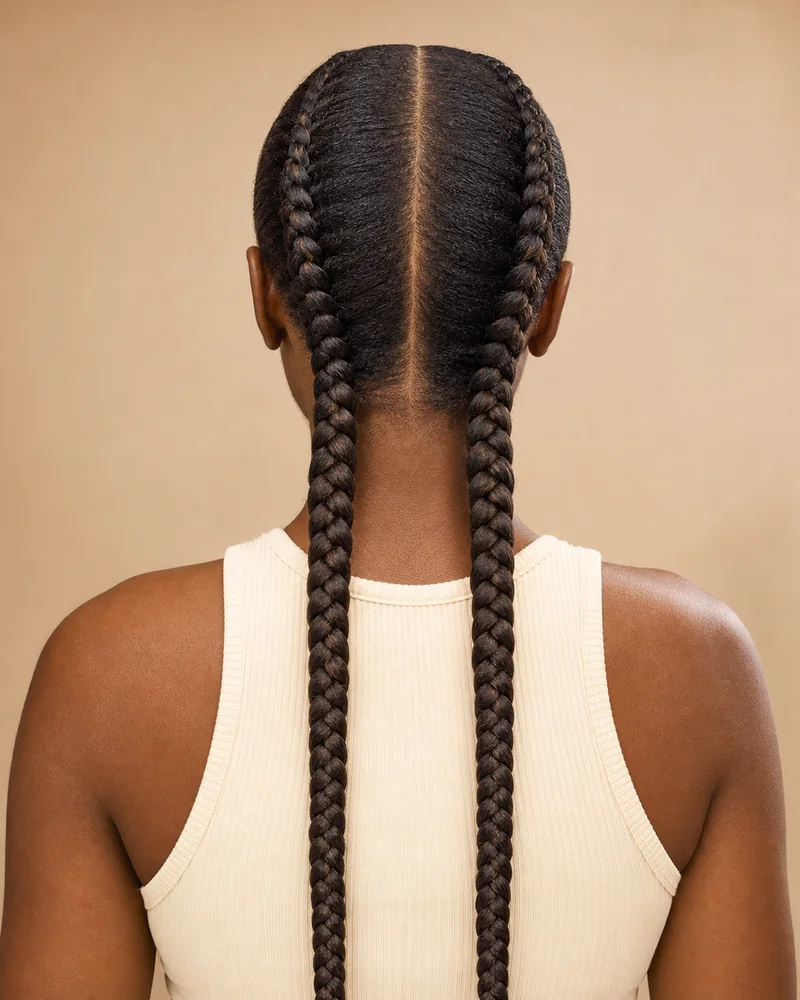 Close-to-scalp braids
They begin thin and gain length and thickness as small portions of extensions are gradually added.
Explore more designs See the related tutorialEach braid begins in its own section and can have different sizes, finishes or extensions.
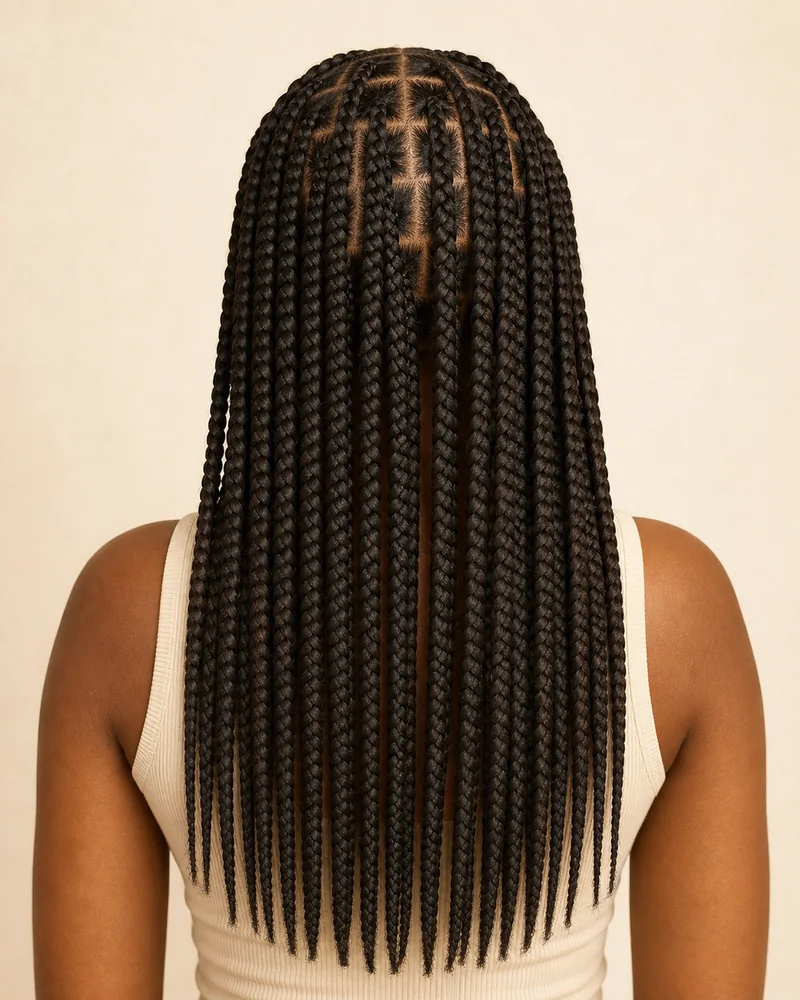 Braids worn down
Individual braids starting from square sections; the traditional technique has a small visible knot at the base.
Explore more designs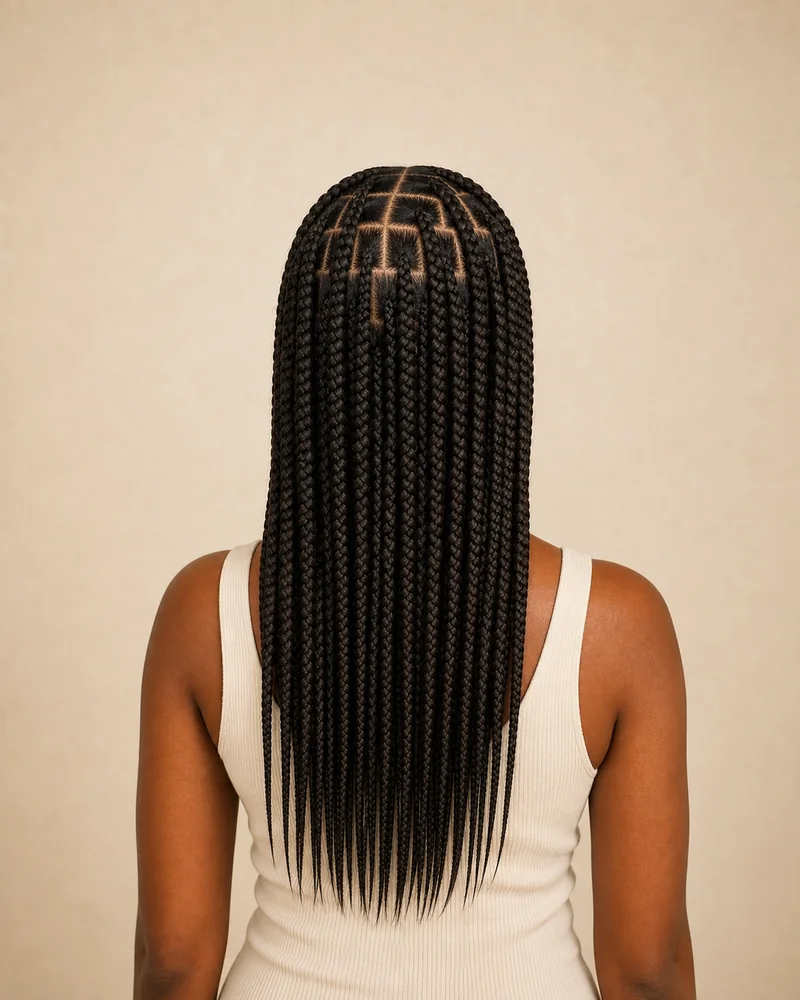 Braids worn down
The braid begins with natural hair and extensions are added gradually, creating a flatter, lighter base.
Explore more designs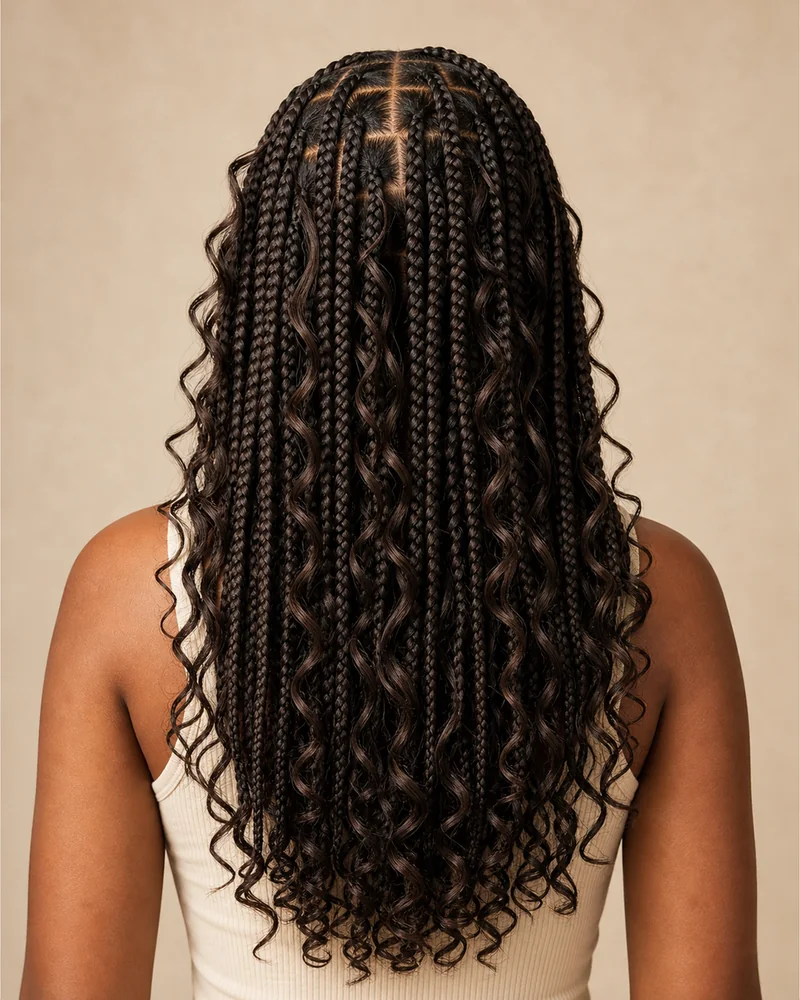 Braids worn down
Individual braids with wavy or curly strands left loose at different lengths.
Explore more designsThey combine more than one construction to create a recognisable hybrid hairstyle.
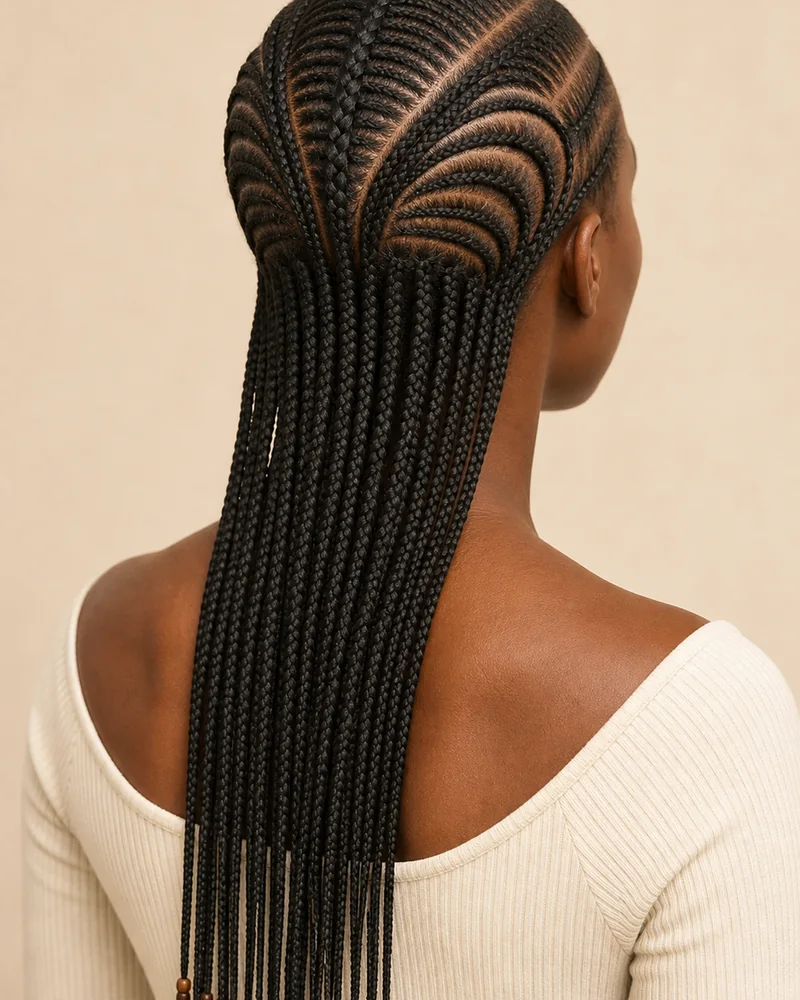 Combined braid styles
Modern versions combine cornrows at the front or top with loose individual braids at the back.
Explore more designsA guide that grows with you
The same style may have different names depending on the country or salon. We use descriptive, widely recognised names here and will gradually add new styles and tutorials.
Suggest a style